Tadany Um refúgio para a alma e um convite à consciência.

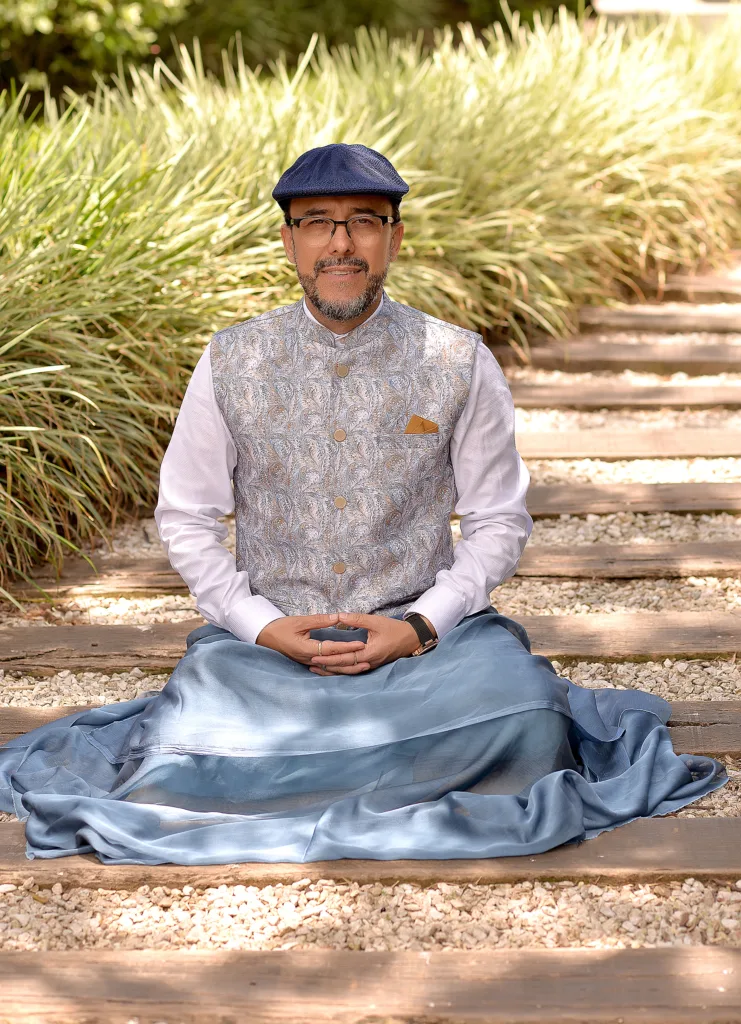
Vivekacūḍāmaṇi – Summary, by Acharya Tadany
Class 120
Date: May 20, 2026
In this class, Acharya Tadany continued the exploration of the qualities of sattva, detailing the three stages of sattvic consciousness and offering profound insights into the true nature of mokṣa (liberation) and self-knowledge.
Three Stages of Sattvic Consciousness
- Malinā Sattvam (Impure Sattva)
The person pursues dharma (righteousness) and artha (security/wealth) but has no interest in mokṣa. Happiness remains dependent on external achievements and recognition. Service to others is often motivated by punya or personal satisfaction. - Miśra Sattvam (Mixed Sattva)
A major shift occurs: mokṣa becomes the central priority in life. Key characteristics include:
- Śraddhā — Trust in Bhagavān, the śāstra, and the teachings (a principle-based trust until direct realization)
- Bhakti — Deep reverence for the Lord, scriptures, and Guru
> yasya deve parā bhaktir yathā deve tathā gurau… (Śvetāśvatara Upaniṣad 6.23) - Mumukṣutā — Intense desire for liberation
- Daivī Sampat — Divine qualities (as described in Bhagavad Gītā 16.1–3)
- Asat Nivṛttiḥ — Turning away from the impermanent and limited
- Śuddha / Viśuddha Sattvam (Pure Sattva)
The highest stage, marked by:
- Prasādaḥ — Deep inner tranquility and acceptance of whatever comes, without resistance or judgment
- Svātmānubhūtiḥ — Direct, immediate knowledge of one’s true nature as Ātmā
Understanding Mokṣa
Acharya Tadany clarified several misconceptions:
Mokṣa is NOT:
- Withdrawal from the world
- Selfish isolation
- Something that happens only after death
- A state of limitation
True Nature of Mokṣa:
- It is the recognition of one’s inherent nature — available here and now
- It is expansion, not contraction: giving up the small and limited to embrace the entire universe
- One serves the world from a sense of fullness (pūrṇatvam), not from dependence or need
- Happiness becomes independent of external conditions or activities
He beautifully contrasted service motivated by dharma (which can become “golden bondage”) with service from mokṣa (which flows from inner completeness).
Important Teachings on Self-Knowledge
- Consciousness is self-evident (svayamprakāśa). It does not need another medium to be known.
Vedānta declares: “I am, therefore I think” — in contrast to Descartes’ “I think, therefore I am.” - The body, mind, and senses are instruments, not our true identity.
“The body is mine, but I am not the body. Thoughts are mine, but I am not the thoughts.” - Even after mokṣa, prārabdha karma continues to play out in the body until death. The jñāni remains clear: “This is not me — it is the body.”
Key Takeaways
- Spiritual growth progresses through three clear stages of sattva, culminating in direct Self-knowledge.
- Mokṣa is not escape but profound expansion and freedom.
- True service and peace arise only when one is established in inner fullness.
- Self-knowledge is a cognitive shift — a fundamental change in identification and perception.
- Vedānta is simple, clear, and direct: recognize your true nature as limitless Consciousness.
“Vedānta is very clear and straightforward. It’s actually simple. The simplicity of it makes it beautiful.” — Acharya Tadany