Tadany Um refúgio para a alma e um convite à consciência.

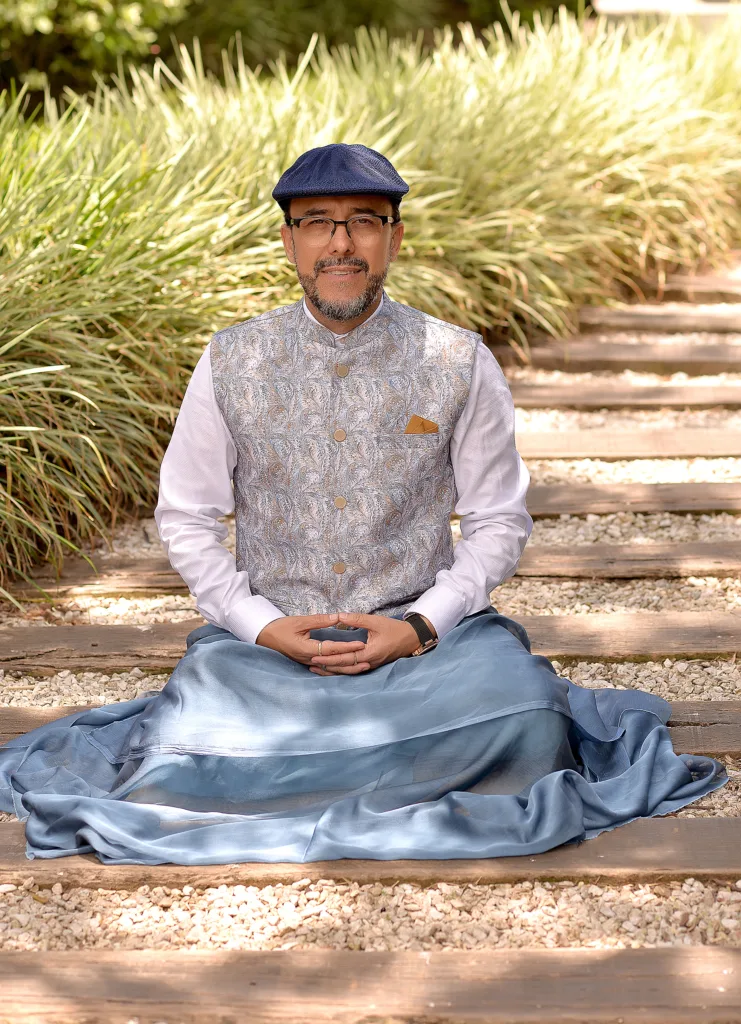
Vivekacūḍāmaṇi – Summary, by Acharya Tadany
Class 123
Date: June 11, 2026
In this class, Acharya Tadany continued the explanation of suṣupti avasthā (deep sleep state) from śloka 121 and gave a detailed exposition on the six pramāṇas (means of knowledge) in Vedānta.
The Six Pramāṇas (Means of Knowledge)
Acharya Tadany explained that a pramāṇa is an instrument that produces clear, valid, and uncontradicted knowledge. The six pramāṇas are:
- Pratyakṣa — Direct perception through the senses (external and internal).
- Anumāna — Inference based on previous experience (e.g., seeing smoke and inferring fire).
- Arthāpatti — Postulation or presumption (multi-step inference, commonly used in diagnosis).
- Upamāna — Comparison or analogy.
- Anupalabdhi — Knowledge through non-apprehension or absence.
- Śabda — Verbal testimony, especially the words of the Upaniṣads, Bhagavad Gītā, and Brahma Sūtras.
Important Teaching: The first five pramāṇas operate only in the world of duality (vyāvahārika) and require a subject-object relationship. They cannot reveal the ultimate reality — the Ātmā itself. Only Śabda pramāṇa (scriptural testimony) can directly point to our true nature.
The scriptures function like a mirror: they remove our false identification with the body-mind and reveal what we already are.
Deep Sleep State (Suṣupti Avasthā)
In deep sleep:
- All six pramāṇas and all cognitive functions are suspended (not destroyed).
- The knower (pramatā), the process of knowing (pramiti), and the objects of knowledge (prameya) become dormant.
- Everything remains in seed form (bīja avasthā) within the causal body.
- The experience “I did not know anything” is universal and self-evident.
Acharya Tadany compared this to hibernation in polar animals — a prolonged, natural deep sleep where metabolic functions are almost suspended, similar in principle to certain yogic states.
Key Takeaways
- The six pramāṇas provide a complete framework for knowledge in the relative world.
- Only Śabda pramāṇa can reveal the Self.
- In deep sleep, all cognitive activities are temporarily suspended, yet the witness consciousness remains.
- The experience of deep sleep is universal and does not require special teaching.
- The śāstra acts as a mirror, helping us recognize our true nature directly.